Introduction
In today's globe, emergency situations can strike anytime, and being prepared is essential. Among the crucial abilities that can save lives is cardiopulmonary resuscitation (CPR). Teenagers stand for a vital populace that can be trained to react efficiently in emergency situations. By equipping them with CPR training, we not only encourage them with life-saving skills but likewise promote a culture of preparedness and responsibility. This article explores the value of CPR training for teenagers, what to anticipate in first aid programs, and exactly how these abilities add to their personal growth and neighborhood safety.
Understanding CPR Training for Teens: Preparing the Next Generation for Emergencies
What is CPR?
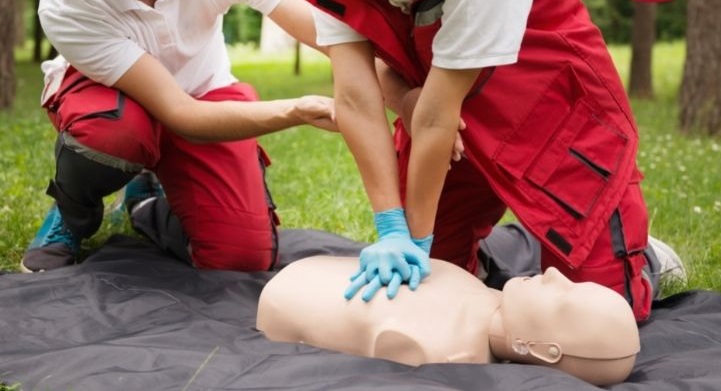
Cardiopulmonary resuscitation (MOUTH-TO-MOUTH RESUSCITATION) is a lifesaving strategy utilized throughout emergencies when somebody's heartbeat or breathing has actually stopped. It contains chest compressions and rescue breaths that aid keep blood circulation to vital body organs until professional clinical help shows up. Comprehending the principles of mouth-to-mouth resuscitation is important for teenagers that might locate themselves in emergency situations.
Why Do Teens Need CPR Training?
Teens are frequently at social gatherings, sports events, and even home parties where emergency situations may occur. By discovering CPR, they become proactive participants of their neighborhood that can act decisively during situations. The ability to execute CPR with confidence can transform a possibly terrible circumstance into one where lives are saved.
Benefits of Emergency treatment Courses for Teens
First aid courses do more than simply teach individuals exactly how to provide prompt care; they instill confidence and reinforce analytical abilities. For teenagers, this experience can develop personality and urge management top qualities.
- Empowerment: Understanding of emergency treatment and CPR equips young people. Confidence Building: Efficiently finishing a program provides teenagers with a feeling of achievement. Community Solution: Educated teens can offer in various setups such as institutions or sporting activities teams.
The Structure of mouth-to-mouth resuscitation Courses for Teens
Course Duration and Format
Most emergency treatment courses are made to fit within a couple of hours to a couple of days, relying on the depth of training supplied. Usually, a standard emergency treatment course will certainly cover:
- Theory: The concepts behind emergency treatment techniques. Practical Abilities: Hands-on exercise with mannequins or through simulations.
Key Parts Covered in Emergency Treatment Courses
Understanding Emergency Situations- Recognizing when to ask for help Assessing the scene for safety
- Performing top notch breast compressions Providing rescue breaths correctly
- Learning just how to run an AED Importance of very early defibrillation
- Techniques for grownups, kids, and infants Recognizing signs of respiratory tract obstruction
- Cuts and scrapes Sprains and fractures
The Relevance of Certification in Emergency Treatment Training
Obtaining Your Emergency treatment Certificate
Completing a first aid course commonly culminates in obtaining an accreditation that confirms your abilities. This certificate offers multiple functions:
- It demonstrates competence in emergency situation response. Many companies call for qualification for involvement in certain events.
Keeping Accreditations Current
Just like any kind of life ability, it's important to keep your understanding up-to-date. A lot of organizations suggest renewing accreditations every 2 years.
How Young adults Can Obtain Involved with First Aid Training
Finding Neighborhood Emergency treatment Courses
Teenagers thinking about acquiring their first aid certification must consider regional community centers, institutions, or health and wellness companies that provide accredited training courses.
Helpful Resources:
- American Red Cross St John Ambulance Local medical facilities or health and wellness departments
Online vs In-Person Training Options
With developments in modern technology, online modules have actually become preferred yet might lack hands-on practice vital for absolutely mastering techniques. Additional hints A mixed technique-- combining online theory with functional sessions-- may be most beneficial.
Creating Understanding Amongst Peers regarding Mouth-to-mouth Resuscitation Educating for Teenagers: Preparing the Future Generation for Emergencies
Peer Education and learning Initiatives
Encouraging teens to share what they've learned with their friends can amplify the impact of training programs:
- Forming study hall concentrated on emergency preparedness. Hosting workshops at institutions or community centers.
Using Social media site as a Platform
Teens today are heavily engaged on social media systems; utilizing these channels can aid spread recognition concerning the relevance of emergency treatment training among peers.
Real-Life Stories That Emphasize the Importance of CPR Educating for Teens
Case Research study 1: Saving a Life at School Sports Event
A teen trained in mouth-to-mouth resuscitation was able to conserve their friend's life throughout a soccer match when he collapsed on the field because of heart attack. Their quick thinking permitted them to provide proper chest compressions up until emergency situation services arrived.
Case Study 2: Family Members Emergency at Home
Another example included siblings who had taken an emergency treatment course together. When their more youthful bro inadvertently choked on food during supper, they right away knew what actions to take because they remembered their training-- leading them successfully via the emergency.
Frequently Asked Inquiries (Frequently Asked Questions) Regarding Teenager CPR Training
1. What age needs to teenagers start taking CPR courses?
Most organizations suggest beginning as early as 12 years old; nevertheless, younger children can additionally learn basic concepts through suitable programs tailored to their age group.
2. How long does it take to complete an emergency treatment course?

3. Exist any kind of requirements before enrolling?
No official prerequisites exist; nevertheless, it's practical if individuals have an understanding of standard clinical terms.
4. Will I obtain qualification after finishing my course?
Yes! Upon effective conclusion and passing any kind of necessary assessments you'll obtain a main emergency treatment certificate valid for two years.
5. Can I take these training courses online?
Numerous organizations offer hybrid layouts incorporating on the internet theory with required practical sessions held in individual-- this is suggested by sector standards.
6. Is it needed to renew my qualification periodically?
Yes! Normal recertification guarantees your skills remain skillful and current according to present guidelines.
Conclusion
In conclusion, gearing up teens with understanding regarding cardiopulmonary resuscitation (CPR) through specialized training programs is important not just for their development yet also improves neighborhood safety on the whole. With effective training sources available-- from neighborhood programs supplying extensive direction on both basic first aid strategies as well as advanced life support methods-- it's less complicated than ever for young individuals excited about making an impactful distinction throughout emergencies!

As we progress right into an uncertain world filled with difficulties calling for swift action-- allow us spend our efforts towards educating this future generation so they're prepared not simply academically but also practically geared up when dealt with versus real-life circumstances demanding urgent reactions like those needing timely interventions such as carrying out efficient cardiopulmonary resuscitation (CPR).